
Find Who Owns a Chesapeake Parcel
The path from a street address to a recorded owner runs through several Chesapeake property records in order. Start with the address. The city's eBUILD guide notes that a street number and name can let GIS populate an address, parcel, and owner. The assessor roll adds the owner-of-record context. The last stop is the deed at the Circuit Court Clerk, where the newest recorded instrument confirms how the interest was conveyed.
- Search the address in Chesapeake GIS QuickSearch and click the parcel popup; record its map parcel number.
- Open the assessor or property-information entry and note the owner name, situs, and mailing address as separate fields.
- Search the owner as grantee in the Circuit Court Clerk's land-record index and compare the newest deed's legal description.
- If the grantee is an entity or fiduciary, check the matching Virginia filing or probate record before assuming an individual owns it.
Someone asking who owns a property in Chesapeake usually wants to link an address to the right parcel, then to the newest recorded transfer. Each record answers one question. The order matters. GIS handles place and geometry, the assessor carries an owner field for its roll, and the deed names the parties to a transfer. Copy the parcel number first. That habit keeps a common-name match or a stray nearby address point from being mistaken for the owner of the target lot.
When the address is unfamiliar, start at the property-information hub and reach QuickSearch from there. Click the map feature. An identify popup appears. It shows the parcel number. Carry that number into the assessor view, and keep the situs location separate from the tax mailing address in your notes.
Entity names deserve extra care. Save the full spelling and suffix. Open the Virginia SCC system with that exact entity name. If the roll names a representative instead, look for the related probate authority and the recorded conveyance.
Where Chesapeake Property Owners Appear in Records
No single Chesapeake database proves every part of ownership. The assessor roll identifies the parcel and owner used in assessment work. A deed goes further. It states the grantor, grantee, legal description, and conveyance language. GIS locates the parcel and its surroundings, and SCC filings can clarify a corporate grantee's public identity while probate records explain some estate transfers.
Match the record to the fact. Parcel-to-name answers live on the assessor roll; a transfer lives in the deed index; entity context lives in SCC filings. Cross-check the legal description before combining results.
| Source | Owner Info It Gives | Access |
|---|---|---|
| Assessor roll | Owner-of-record name and parcel context. | Property Information / assessor tools. |
| Land-record index | Grantee, grantor, document type, and recording reference. | SRA index; images may require subscription. |
| GIS parcel viewer | Address, map parcel number, and related layers. | Free city map service. |
| Virginia SCC | Entity name, status, registered agent, and filings. | Clerk's Information System. |
| Probate file | Will, qualification, or personal-representative context. | Circuit Court Clerk's Probate Division. |
The person named by the assessor is not always the person living on the land. A mailing address may sit off-site. The owner could be an LLC, trustee, or estate. A public record names its party and its filing, and it says nothing about private living arrangements.
Use the sources together rather than asking one page to prove everything. The assessor is the quickest pointer from parcel to roll name. GIS confirms which mapped lot the address describes. A land-record index can show a transfer entry and identify the image or copy to obtain. An SCC filing may explain a company's legal name. A probate file may show a personal representative's authority. Each one proves a limited fact. A complete title conclusion can still require examining the full chain.
Keep a simple trail as you go. Record the search term, the result reference, and the exact parcel or instrument identifier, so you can repeat the lookup if a portal changes or an office asks which entry you saw. A name match without a legal description is weak. One deed may cover several lots, a parent tract, or an easement rather than a single street address.
Limits of a Chesapeake Owner Lookup
A who-owns search can tie a name to a parcel. It cannot prove who lives at the address. It cannot prove that the whole chain is clear. It also cannot prove that the assessor has processed a very recent transfer. Virginia also shields some addresses by law. The Address Confidentiality Program gives eligible people a designated mailing address. Those protected details are exempt from ordinary public disclosure.
Answer the question of who owns a Chesapeake parcel from its record trail. Do not lean on an occupant guess. A name-only result is not an answer either.
Lawful use. Use owner records for property diligence, title research, estate work, and civic questions. Do not use a name or address to stalk, threaten, or harass a person.
Virginia runs an Address Confidentiality Program. It gives eligible participants a designated mailing address. It keeps specified details out of ordinary public disclosure. That protection matters for any owner search. Never try to infer a protected residence from surrounding public clues. Piecing it together defeats the program's purpose. Public systems sometimes display a record that looks inconsistent with a confidentiality protection. Contact the responsible office in that case.
Owner data is not a neighborhood directory either. A tax mailing address can belong to an agent, a company, or a fiduciary. None of those facts establishes who uses the property day to day. Keep the lookup anchored to the parcel, instrument, assessment, or account question. The records were designed to answer it.
Read a Chesapeake Property Owner Field
Start with the parcel card. The Chesapeake assessor identifies the owner there. Situs and mailing address stay separate on the card, and the city's property workflow can populate an owner from GIS once a street number and street name are entered. Public descriptions do not confirm every capitalization or field on the live card. Capture the parcel number. Then read the live result, not a third-party summary. The Chesapeake property-information hub links GIS, QuickSearch, and tax resources, and its page displays the starting point for the owner lookup path.
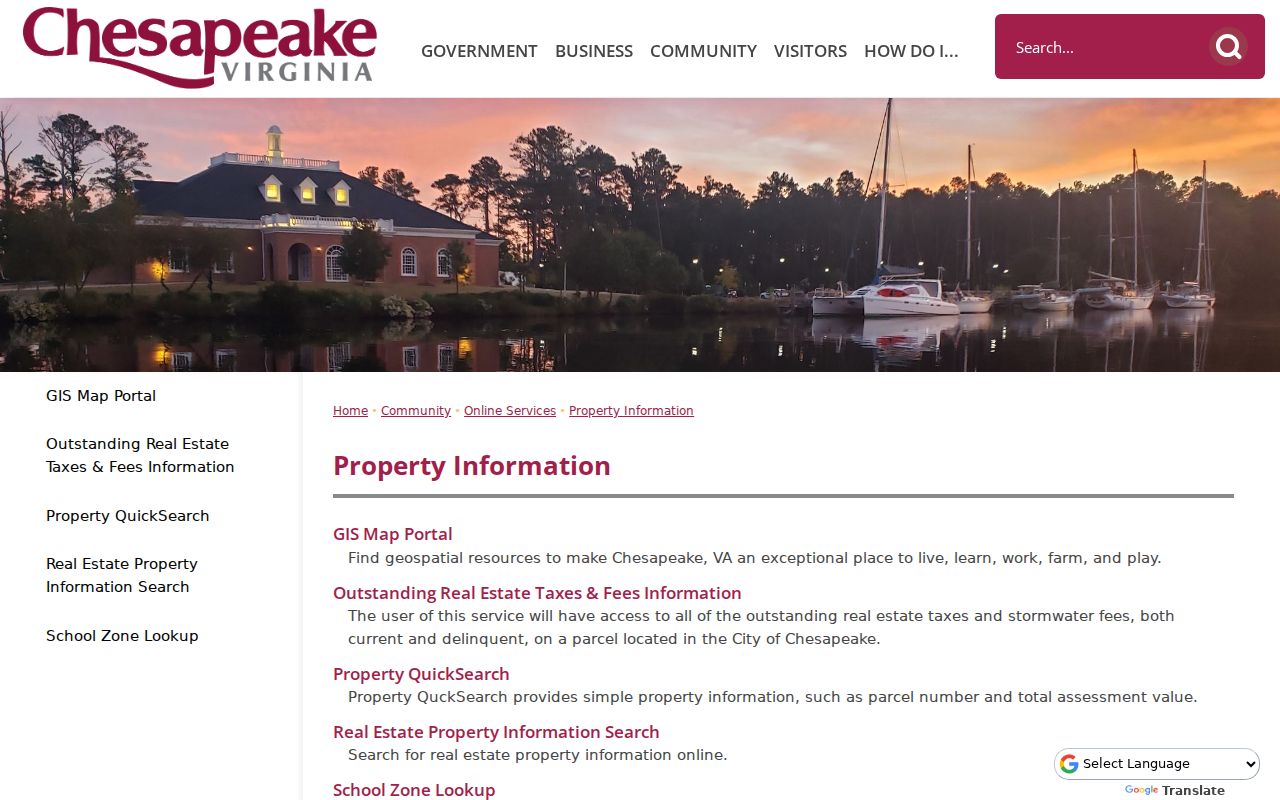
Open the actual parcel result after using the hub. The landing page itself is not an owner record. When comparing owner names, keep the spelling and capacity the system displays. An assessor entry may shorten a company name. A recorded deed may show the full legal entity or a trustee's capacity, and a middle initial, suffix, or executor label can separate one party from another. Copy each form exactly. Then find the parcel reference that connects them.
A current owner lookup can also surface an address discrepancy. Situs is where the property sits. The mailing address is where notices go, and it may sit in another city or belong to a business. Treating the two separately keeps you from calling an off-site mailing address an error or proof of occupancy.
Confirm a Chesapeake Property Owner in the Deed
Once the assessor suggests a name, confirm that party in the deed index. Run the name as grantee. That finds the receiving instrument. Read grantor, grantee, recording date, and document type. A matching street name alone is thin evidence when the deed covers several lots or a parent tract. Chesapeake advertises indexes and images from 1637 to current.
Remote images run through SRA. They may sit behind a paid subscription, while counter copies and clerk assistance remain options. For ordinary ownership confirmation, the latest recorded deed beats an old tax notice as direct transfer evidence. It is still not a full title search. Entity and estate transfers need extra context. A company name on the deed may call for a Virginia SCC search, and a personal representative may require a probate file to understand authority.
For the present roll fields, the Chesapeake current owner record guide covers what the tax side shows. For older chains, follow the Chesapeake former owners guide. The deed image is the evidence that connects them. Treat an index hit as a citation to the document, not the final reading of the transaction. The image may hold the legal description, vesting language, signatures, and references to an earlier deed or plat. None of that appears in an index summary.
If the remote image is gated, request a counter copy using the recording reference. Chesapeake lists $0.50 per page and $2 for certification. Keep the fee separate from the document's meaning. Sometimes more than one recent deed appears. Compare legal descriptions and recording dates. A correction instrument, release, deed of trust, or conveyance covering a different portion of a tract can sit beside the sale entry. The latest date alone is not enough; identify the document type and the land actually described before deciding which instrument changed the ownership interest.
When a Chesapeake Property Owner Is an Entity
A grantee is not always a natural person. A company, trust, or fiduciary can appear in the deed's grantee slot. Copy the exact legal name, punctuation and suffix included, from the assessor or deed before using Virginia's SCC Clerk's Information System. The SCC record can show entity status, registered agent, principal office, and filings. Those details help identify the entity. They do not replace a deed. Nor do they reveal a trust's beneficiary.
A personal representative or executor points you toward probate records as well as the land index. Chesapeake's Circuit Court Clerk handles wills and probate matters. A recorded fiduciary deed or court order links the estate file to the parcel, so a death notice alone never proves who received the land.
Resolve Chesapeake Owner Name Differences
A deed recorded after the roll was compiled often explains the mismatch. Chesapeake builds its assessment data on an annual cycle. The assessor will not shift an owner field on a fixed clock after closing. Note both dates. Keep the assessor name as the roll entry. Treat the deed party as the named grantee on the instrument.
Next, compare the legal description and the parcel number. One deed may cover several lots or a slice of a parent tract. The assessor may list a single current parcel instead. Company grantee? Search the exact name and suffix in Virginia SCC filings. A fiduciary in the deed points toward the probate qualification and any later fiduciary deed. These cross-checks let you read the property records with care. Not every name difference signals an error.
Watch Chesapeake Owner Name Matches
The Chesapeake Circuit Court Clerk's Property Notification page explains a free alert service. The service covers property records. Register a name. The clerk sends an email whenever a document is recorded under that name. It is a useful early signal. It does not stop fraud, and the clerk is clear about that point.
Think of an alert as a starting point. When a notice arrives, pull the recorded deed itself. Read the instrument before drawing conclusions. Match the filing against the parcel number. Check the owner of record if anything looks off. Register every plausible spelling of the name. Alerts catch name matches only. A careful look at the deed records still does the real work.
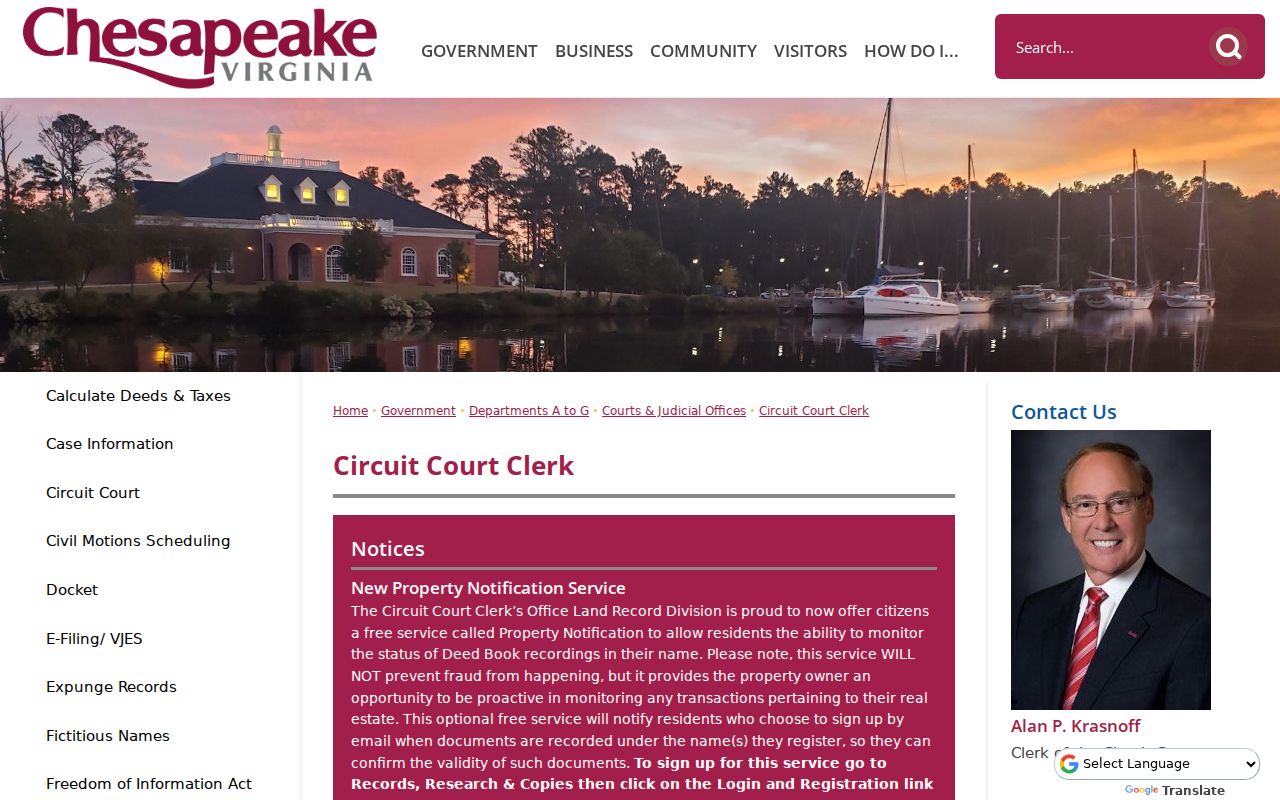
A notification is a prompt to pull the official deed record. It is not a title safeguard.