
Chesapeake Property Value Types
One Chesapeake parcel can carry several values at once. Each figure answers a different question. The assessor's number exists to spread the city's tax burden fairly across parcels. A market estimate reflects what buyers and sellers are doing right now. A last-sale figure is historical. It comes from the deed instrument or a related record, whenever consideration was reported there. Before calling two numbers a conflict, check which question each one answers. And note when it was dated.
| Value | What It Is | Where |
|---|---|---|
| Assessed value | The annual value used in the real-estate tax calculation. | Chesapeake Real Estate Assessor. |
| Market value | An estimate of what a property may sell for under current conditions. | Comparable sales and market evidence. |
| Last sale consideration | The amount stated in a recorded transaction when the instrument reports it. | Deed image or transfer record. |
| Appraised value | A professional opinion prepared for a defined assignment and date. | Licensed appraiser's report. |
Chesapeake assesses every parcel annually. The current city page lists a FY 2026–27 tax rate. The rate is $1.01 per $100 of assessed value. That rate drives a tax calculation. It says nothing about a sale price. A newer deed, a physical change, or a shifting local market can widen the gap. The latest sale and the current assessment may sit far apart. The city publishes no verified citywide assessment ratio, so avoid filling a gap with a generic estimate.
When comparing figures, label each one with its source and date. An assessor value needs its assessment year and effective date. A deed amount needs its recording reference and date. A market comparison needs its sale date and the property's characteristics. An appraisal needs its assignment date. Skip those details and two figures can look inconsistent. That happens because they describe different periods or different bundles of land and improvements.
At the published FY 2026–27 rate, divide the assessed value by 100. Multiplying by $1.01 yields a basic tax estimate before account-specific adjustments. That math still does not estimate market worth. Exemptions and supplemental accounts can change a bill. So rely on the Treasurer's account information for the amount due and the Assessor's parcel value for the annual roll figure.
Look Up a Chesapeake Property Value
Start with the parcel number. It pulls up the Assessor's entry directly. You can keep the assessment date beside the value. A street search also works. But an exact parcel key prevents mix-ups with similarly named owners or adjacent lots. The city's property-information hub links its GIS and real-estate tools together. An owner who disputes the figure can pursue the formal review process. That process is separate from what the number itself means.
- Find the address or map parcel number in the city property-information tools.
- Open the assessor entry and record its value and assessment date.
- Locate the latest deed in the Circuit Court Clerk's land index and check the instrument for stated consideration.
- Compare similar market evidence with the same property type, location, and date range before drawing a conclusion.
- Assessed value
- The city's annual tax measure for the parcel.
- Market value
- An estimate of likely exchange under current market conditions.
- Consideration
- The amount or other value reported in a transfer instrument.
- Assessment date
- The date attached to a particular annual roll value.
For an inherited or recently purchased parcel, confirm one thing. The assessor result and the deed should describe the same land. A situs address may have changed, or the deed may cover multiple lots. The map parcel number and legal description align the records. If the roll owner differs from the newest grantee, keep both names and dates. Do not assume a mistake or an instant update.
Handle comparable transactions with care. A nearby parcel at a similar address can differ in lot size or access. It can also differ in easements, improvements, zoning, or overlay status. A market comparison should match the property type and a sensible date window. A neighborhood plan adds development context. But it is not a value model for an individual lot.
What Chesapeake Assessed Value Does Not Mean
The assessor's figure exists for taxation. Its job is the equitable allocation of city services. It is not a promise of sale proceeds. It is not a lender's appraisal, and it is not a survey of improvements. Annual timing can also date the figure differently from the latest sale. Label the type of value. Do this before comparing it with an online estimate or a buyer's offer.
Assessed does not mean sale price. Chesapeake's tax assessment is not an appraisal of what a property would sell for. Use current market evidence or a licensed appraisal for a transaction decision.
The annual roll serves city taxation, not one buyer's financing, insurance, or renovation choice. A recent improvement may not appear in it at all. The same goes for negotiated terms. A seller's urgency or later-observed conditions can be missing too. A professional appraisal carries its own scope and effective date. Name the question first: tax calculation, historical consideration, or present market opinion. Then pick the record that answers it.
Chesapeake Property Value Dates
Chesapeake collects assessment data from January through December. Each new assessment is dated January 1. It takes effect July 1. Changed-value notices go out in March. Keep those dates attached to the number. A value missing its assessment year is hard to compare with a sale that closed later.
Chesapeake's Real Estate Assessor assessment information page sets out the annual calendar. It also lists the current rate used here.
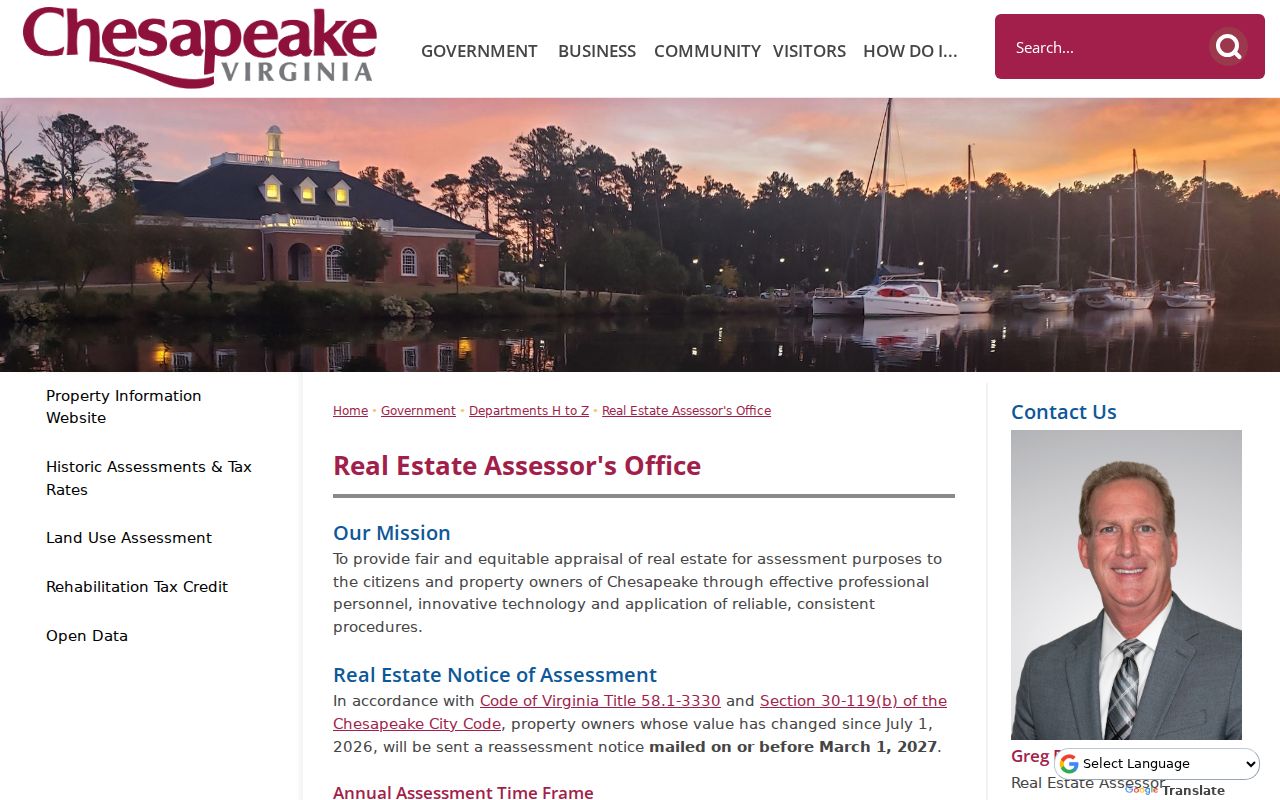
Before reading a value change as a market trend, check two dates. Compare the date on the parcel notice with the deed's recording date. The Assessor gathers data across the calendar year. It dates the value January 1 and makes it effective July 1. It then mails changed-value notices in March. That sequence explains why the notice can postdate a closing later the same year. Record both dates when reviewing a multi-year history. A year-to-year movement in the roll is not proof by itself. It does not show that a comparable home sold for that amount.
Chesapeake Sale Price in a Deed
A deed's stated price is not an assessment. The clerk's land-record index gives you parties, document type, and recording date. It also includes a book/page or instrument reference. Consideration and full legal terms often live in the deed image. The free index does not carry them. Pulling Chesapeake images remotely can require a paid SRA subscription. The courthouse copy route still works.
Remember that any stated amount is a past transaction figure. Terms can make one sale a poor comparison for today's market. So can related parties, multiple parcels, or unusual conditions. Read the legal description closely. It shows what land actually transferred. It also shows whether the instrument covers a single parcel or a larger tract.
Treat a transfer as arm's length only when the source supports it. A consideration amount alone proves nothing about the relationship between buyer and seller. One deed image can also convey a partial interest or several properties together. The document may never allocate the price. Then you should treat it as a combined transaction. Do not assign the full amount to one assessed parcel.
Greenbrier's Chesapeake Value Context
Citywide averages can hide local change. Greenbrier took shape in the mid-1970s. It then grew into Chesapeake's main commercial hub. Planned developments here include Summit Pointe, Greenbrier Mall, Greenbrier Commerce Park, and newer housing. The city adopted the Greenbrier Area Plan on August 19, 2025. A parcel's value context in Greenbrier can mix residential demand with shifting commercial and mixed-use development.
Use the plan as context, never as a valuation formula. The assessor's parcel value, a recorded sale, and current comparable-market evidence remain distinct data points. A planning change may shape future land use. It cannot tell you what a specific property will sell for.
Before comparing sales in Greenbrier, note the parcel type. Is it residential, commercial, or near a planned mixed-use area? Summit Pointe, Greenbrier Mall, Greenbrier Commerce Park, and adjacent housing sit in different property contexts even under one area name. The August 2025 plan explains planning direction. The assessment card and deed stay parcel-specific.
Great Bridge Context for Chesapeake Property Value
The Great Bridge Historic Gateway Overlay contains four character districts. They are Causeway, Historic Battlefield, Great Bridge Business, and South Gateway. A parcel's spot in an overlay can affect permitted exterior work. It can also affect the type of design review that applies. That context helps when judging an improvement or comparing nearby properties. It is not an assessed value or a market appraisal.
Chesapeake's planning map and the recorded plat can show whether a lot falls inside a named area. Check the actual parcel geometry and the current ordinance. Never assume a community label matches a legal boundary.
An overlay can change which exterior improvements need review. That matters when weighing two otherwise similar properties. Its districts do not alter the assessor's published tax rate or supply a sale price. Confirm the applicable character district from the city map and ordinance. Then keep that planning constraint distinct from the deed, the assessed amount, and the appraisal.
Compare Chesapeake Value Evidence
A clear comparison holds three dates in view. Track the assessment date, the deed recording date, and the date of the market evidence. The assessed value serves the city's tax roll. The deed's consideration reflects a past transfer. Market comparables estimate current exchange under similar conditions. When figures disagree, first confirm they describe the same parcel and period.
Never infer land value, improvement value, exemption codes, or last-sale fields the public result does not display. Inspect the live assessment card directly. For the tax bill, exemption details, and appeal steps, use the separate Chesapeake property tax records resource. The value question stops at what each number means.