
Chesapeake Owner-of-Record Fields
The Chesapeake Real Estate Assessor keeps a parcel roll. The owner field is drawn from GIS data. Enter a street number and street name. The city's own address workflow then fills in the address, parcel, and owner together. Not every field label on the live interface is documented in the city's static pages, though. So treat any field inventory as a starting point. Verify the wording on the parcel card itself. Don't assume every record matches a fixed template.
| Owner | The assessor's name for the parcel roll; confirm a recent transfer in the deed. |
|---|---|
| Situs | The location address assigned to the land or improvement. |
| Mailing address | Where the owner receives tax notices; it may be outside Chesapeake. |
| Map parcel number | The identifier used to match the map, assessment, and tax account. |
| Deed reference | Use the grantor-grantee index to identify the newest recorded conveyance. |
| Assessment date | Annual roll timing; it is not a guaranteed closing-to-update interval. |
An owner of record is simply the name in the assessment system. It is not a claim about who occupies the building. A mailing address may point to an agent, a trust, or an out-of-city location. The assessor's public information page sends deed and plat copy requests to the Circuit Court Clerk. Deed images live in land records rather than the tax roll. For a careful current-owner check, keep four items separate. Record the situs address. Note the map parcel number, the assessor's owner spelling, and the assessment date. Add the owner's mailing address as its own field. Keeping these apart makes it easier to compare the roll with a recorded deed. You avoid mistaking a mailing location for a second property. You also avoid assuming an entity is a natural person. The city publishes no standard parcel-number prefix. There is also no fixed interval for updating the roll after a sale. Copy the key exactly as displayed. Never reconstruct it from a street address. Two nearby lots may carry similar situs numbers. Compare the parcel identifier and the deed description instead of trusting the more familiar name.
Confirm the Current Chesapeake Owner
Check two sources whenever the present owner truly matters. Start with the parcel card. It shows the name attached to the tax roll. Then confirm the newest conveyance in the Circuit Court Clerk's deed index. Chesapeake publishes a long historical span of deed records, but a current transaction still needs its recording entry and instrument text to count. If the roll and the deed disagree, keep both dates in view and ask the relevant office whether a processing update is pending.
- Find the address or map parcel number in the assessor or GIS tool and save the owner name shown.
- Search the land index under that name as grantee and open the newest deed entry available.
- Compare the grantor, grantee, legal description, and recording date to the parcel you found.
- If an entity or personal representative holds title, match the name to SCC or probate records.
- Owner of record
- The assessor's current owner name for a parcel.
- Situs address
- The property location, distinct from an owner's mailing address.
- Grantee
- The party receiving an interest in the newest recorded deed.
- Update lag
- The city publishes annual assessment timing, not a fixed deed-to-roll interval.
A deed's grantee and the assessor's owner-of-record field are related but not identical. The grantee names a party to one recorded instrument. The roll's name is an assessment-system value for a parcel. When the two differ, list both with their dates. Check whether the instrument describes the same lot. Check whether it corrects or partially conveys an earlier deed. Also check whether a later deed has been filed since. Use the exact owner form from each system when you contact an office. A parcel number helps. So do the newest deed reference and the assessment date. Together they let staff investigate a mismatch quickly. A broad request to confirm a person's ownership gets you far less.
Use Chesapeake Owner-of-Record Data Lawfully
Use a public mailing address only for a property matter. A boundary question or a purchase inquiry fits. Stalking, threatening, or harassing anyone does not. Virginia's Address Confidentiality Program gives eligible people a designated address. Protected location details are exempt from ordinary FOIA disclosure. A public parcel entry must never be used to defeat that protection.
Owner of record is not occupant. A Chesapeake owner lookup reports a parcel record, not who lives there. Keep the search to lawful property research and respect confidential address protections.
Virginia's Address Confidentiality Program gives eligible participants a designated mailing address. Specified address details stay protected from ordinary public disclosure. No searcher should try to infer or expose a protected residence from related public information. If a public system seems inconsistent with a confidentiality protection, contact the responsible office. Do not probe for the person behind the protected address. Owner data is not a neighborhood directory either. A tax mailing address may belong to an agent, a company, or a fiduciary. None of that establishes who uses the property day to day. Keep the lookup anchored to the parcel, instrument, assessment, or account question. Public systems exist to answer exactly those.
Chesapeake Current Owner Roll and Closing Dates
The Real Estate Assessor collects assessment data across the calendar year. Each new assessment is dated January 1. It becomes effective July 1. Changed-value notices go out in March. That annual cycle is well established. Chesapeake publishes no typical number of days from a closing to an owner-name change on the roll. The gap matters after a fresh sale. A deed can be recorded long before the next assessment display catches up. Do not treat the old roll name as the final word. Do not infer that a closing never happened, either. Compare the recording date of the newest deed with the date on the assessor card, and keep both as separate facts. The Chesapeake property-information hub links assessor and GIS entries on one official page, and its display leads straight to the parcel information tools.
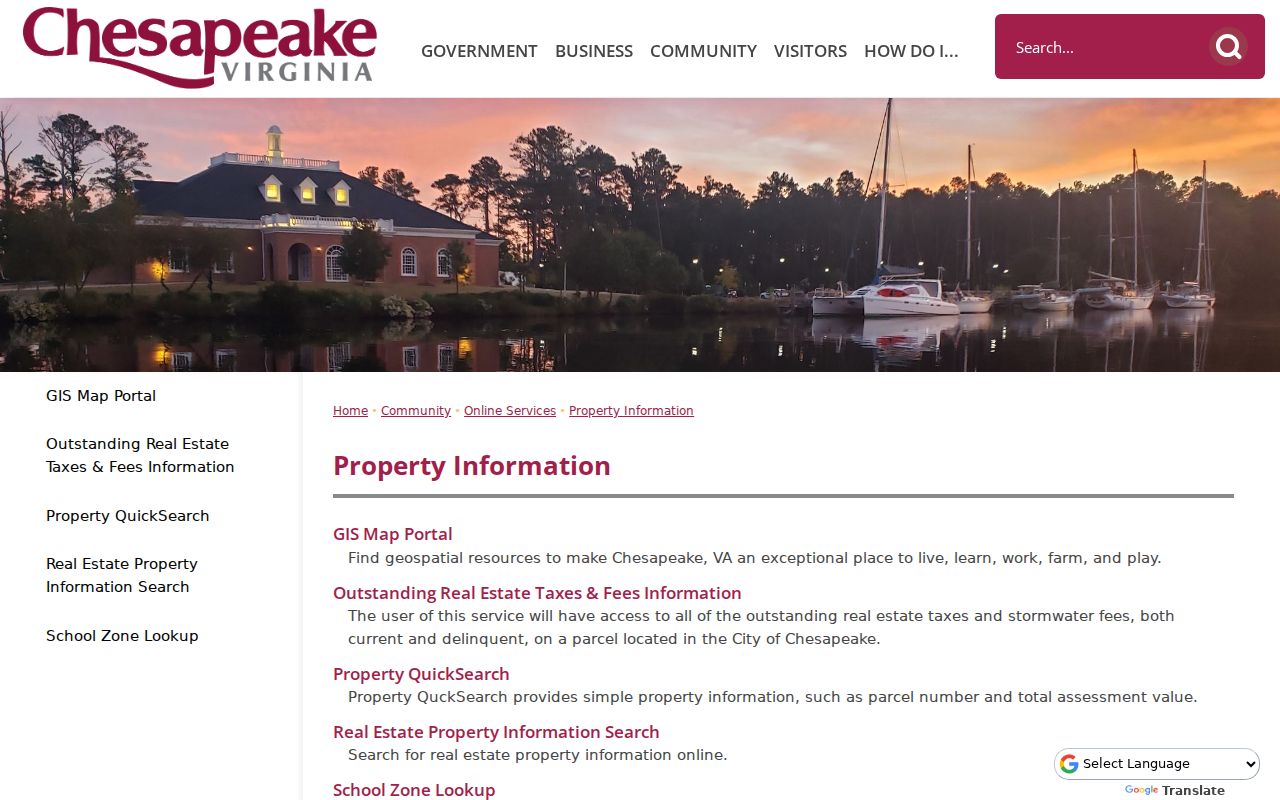
Open the live parcel result before trusting the owner field on the hub page. The hub can lag behind what land records actually show. A closing and an assessment update often land on opposite sides of the city's annual dates. A deed recorded after the assessor prepared the roll may not yet appear in the owner field. That timing gap is normal. Inspect the newest deed rather than to assume a fixed lag or a corrected public card. When the parcel display stays unclear, ask the Assessor to identify the right roll date. Ask the Clerk to locate the instrument.
Entity Owners in Chesapeake Deeds
Deeds in Chesapeake sometimes name a limited liability company, a trust, or an estate. Or they name a person. Start with the vesting name exactly as written. Copy it before you search Virginia SCC records. The SCC Clerk's Information System can reveal a company's status and registered agent. It can also reveal its principal office and filings. Those entries help identify the entity and its public contact. They do not prove the property transfer itself.
Executors and administrators call for a different trail. Consult the probate record first. Then match the fiduciary deed to the parcel's legal description. The Circuit Court Clerk keeps both wills and land records. Keep the authority document and the conveyance linked in your notes. A family relationship or an obituary alone never changes the public title record.
Whatever the entity type, treat the recorded vesting language as the starting spelling. Retain punctuation, company endings, and any trustee or manager capacity. SCC results can confirm whether a Virginia-registered company exists. They can point to public filings or an agent. They do not identify beneficial ownership in every case. A trust name may lack the public profile of a corporation. So never infer a beneficiary from the name alone.
When a Chesapeake Owner Name Is Stale
A stale name shows up in Chesapeake property records when the tax roll and the newest deed carry different parties. Compare the parcel description and both dates first. Chesapeake runs an annual assessment cycle. But no fixed number of days governs how quickly an owner field changes after closing. Keep the labels straight. The assessor name is the roll entry. The deed party is the recorded grantee. Do not collapse the two into one statement, because each label answers to a different set of Chesapeake records.
Next, look at what kind of deed it is. A correction, a partial conveyance, or a fiduciary transfer can each explain the mismatch. So can one instrument covering several lots. Differing legal descriptions may mean the names concern different land. That would not be a processing delay. When the parcel match stays uncertain, ask the Assessor about the roll. Ask the Circuit Court Clerk about the deed index or a copy.
Chesapeake Owner Name Alerts
Once the deed name is confirmed, an owner can register with the Circuit Court Clerk's free Property Notification service. It sends email whenever a document is recorded under the registered name. The clerk is clear about limits. The service monitors. It does not prevent fraud. Name matching may miss documents that affect a parcel. The official Chesapeake Property Notification information from the city explains the alert service. It also notes its limitation.
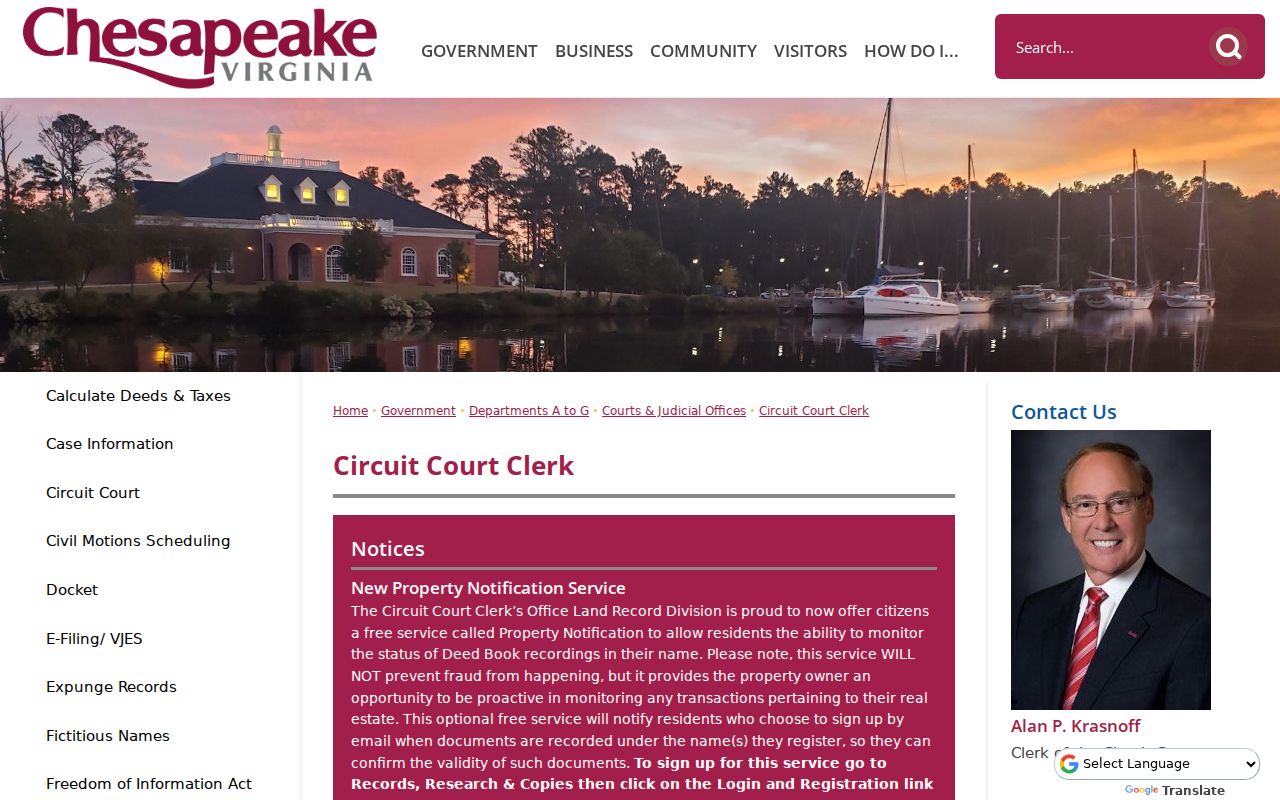
An alert is a trigger for a deed review, not proof of title. Think through the name forms before registering. A filing might use a full legal name, initials, a prior surname, or the legal name of an entity that owns the parcel. The service watches for recorded name matches. Spelling variations can decide whether a notice arrives. Treat the alert as a monitoring convenience and keep verifying the actual instrument through the Clerk.
Ask the Chesapeake Assessor About the Current Owner Field
A parcel entry can go stale, and a puzzling field is worth a question. Call the Real Estate Assessor at 757-382-6235 instead of guessing at any lag. Email works too, at assessor@cityofchesapeake.net. The office's public property-information page connects the parcel tools. Deed and plat copies belong to the Circuit Court Clerk. Staff can sort out lookalike street addresses fastest when you include the map parcel number.
For title questions, though, the assessor is not the last word. The newest recorded deed and its legal description show the transfer itself. The roll simply helps you find the present assessment account.
The detailed current owner record card separates those present-day fields. It also covers the broader method for identifying an owner.